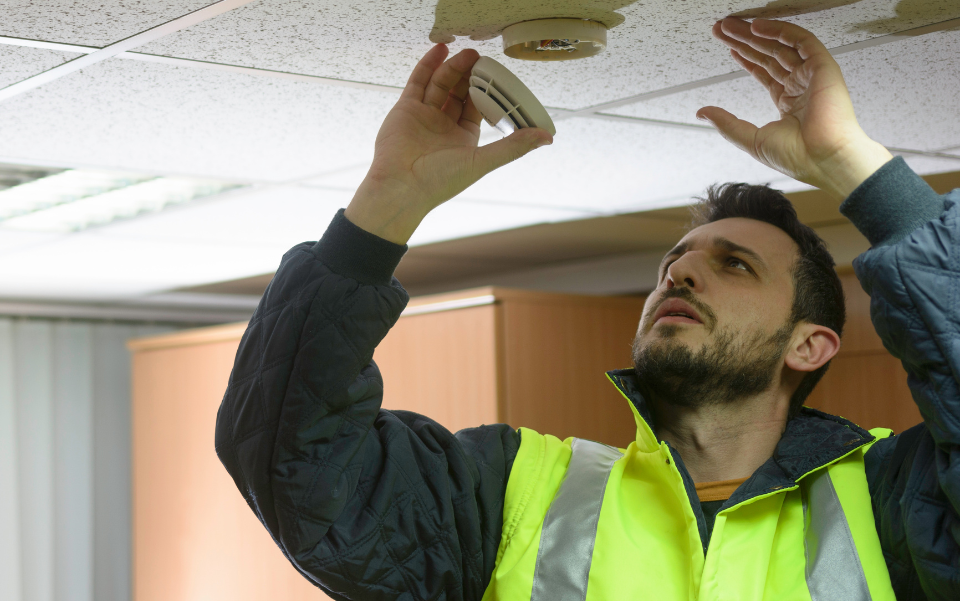
What is a Fire Risk Assessment?

A fire risk assessment (FRA) is a mandatory, structured review of a workplace to identify any potential fire hazards, evaluate the risks posed and put measures in place to prevent fires and protect people and property. In the UK this is a key requirement under the Regulatory Reform (Fire Safety) Order 2005 and all businesses, including small offices, home-based businesses with employees, and shared residential buildings, are legally required to have a fire risk assessment.

Fire risk assessments are a crucial  preventative measure for all businesses, if employees, customers or the public use your premises you will almost certainly need a fire risk assessment.

What is involved in a Fire Risk Assessment?

A fire risk assessment will look at all areas of the building to identify any potential risks including looking at:

  • Sources of Ignition: such as faulty or misused electrical equipment, heaters placed too close to combustible materials, naked flames such as candles or hot processes such as welding or grinding.
  • Combustible Materials: this could be accumulated rubbish, cardboard packaging, textiles, furniture, flammable liquids (paints, varnishes, petrol, thinners), and flammable gases (LPG, aerosol sprays).
  • Oxygen Sources: oxygen cylinders, chemical oxidisers, and excessive natural air flow such as open doors and windows, or mechanical ventilation that can fuel a fire.
  • Structural Hazards: fire exits that are blocked or kept locked, poor and incorrect storage of hazardous materials, a lack of fire doors or any clear signage for fire exits, a lack of fire detection systems such as smoke detectors or alarms, poorly maintained or a lack of any firefighting equipment such as extinguishers or sprinklers. 
  • Behavioural Hazards: smoking in non-designated areas, leaving combustible materials in unsecured areas, or poorly stored in accessible bins that could fall prey to arson. A lack of staff training about how to act in the case of a fire.

The aim of the assessment is to identify all risks and to compile an action plan to reduce or remove all risks and to protect the safety of occupants at all times. The assessment must be document and reviewed regularly or when there are any changes to the structure or working practices of the company that could affect safety.

Which Businesses Need a Fire Risk Assessment?

A fire risk assessment is a legal requirement for almost all UK business premises—including offices, shops, warehouses, and factories to identify hazards, reduce risks and ensure safe evacuation in the event of an emergency.

As of 1 October 2023, Section 156 of the Building Safety Act 2022 amended the Regulatory Reform (Fire Safety) Order 2005, setting the requirement for all fire risk assessments to be recorded, irrespective of the number of employees or whether there is a licence in force.
Premises include:

  • All Non-Domestic Premises: offices, factories, warehouses, shops, restaurants, pubs, and hotels, salons, aesthetic clinics, cafes, take-aways etc.
  • Commercial/Public Premises: this includes, schools, nurseries, hospitals, leisure centres, gyms, cinemas, theatres, community centres, church halls, places of worship, doctors surgeries etc.
  • Residential Premises with Public Access: common areas of flats, blocks of flats, student accommodation, HMOs, residential care homes etc.
  • Other Workplaces: places of work like farms, barns, or mobile structures (ships, trains).

Who is Responsible?

The law says that it must be a ‘responsible person‘ who ensures that the fire risk assessment is done. This could be:

  • The business owner
  • An employer
  • The building owner
  • Landlords
  • Facilities of building managers

Whoever has been named as the responsible person(s) must ensure that the assessment is suitable and sufficient and kept up to date.

What Happens if you Don’t Have One?

Not having a fire risk assessment is a serious legal breach exposing the business to unlimited fines, prosecution and potential prison sentences for responsible persons. This can lead to:

  • Legal action & penalties
  • Fines and imprisonment
  • Business closure
  • Invalidated insurance
  • Heightened risk to life

How can Safepoint Help?

Safepoint offers fire risk assessments to businesses across the north west. We have a supportive and collaborative approach and like to work alongside business to ensure that they are complying with all regulatory requirements.

We will work with you to assess your current fire safety procedures and provide an action plan to make sure you have robust and effective fire safety systems in place.

Get in touch for a no-obligation chat to see how we can help:

📞 Call us: 0330 400 5390
📧 Contact form: Get in Touch
🌐 Learn More: See all our Services

Testimonials

Safepoint have been handling and advising Liverpool Marina for around 5 years. We find Ian from Safepoint is very helpful & professional in all aspects of his work from risk assessments on all day to day and upcoming projects, he is always approachable for advice. We would have no hesitation in recommending Safepoint to any client.

Dan O Dea - Liverpool Marina Operations Manager .

Professional, knowledgeable, and thorough Safepoint Professional Services has been instrumental in raising the safety standards in our aluminium window factory. Their specialized, proactive support is invaluable to our operations.

Angela Spencer – Financial Controller at North West Rooftech Limited

Safepoint has been a reliable and professional partner to Adana Construction for several years. Their support is always prompt, knowledgeable, and tailored to our needs, which gives us confidence that we’re fully compliant with health & safety legislation and ensure we are operating safely at all times. They take a proactive, non-confrontational approach that aligns well with our business and consistently delivers value beyond the basic requirements.

Keir Hardie – Senior Contracts Manager at Adana Construction Ltd

Proud to confirm we’ve once again achieved our SafeContractor certification. Health & Safety isn’t just a requirement for us, it’s a standard we work to every day, across every job, protecting our customers, our engineers, and the wider network. Credit to Ian Bloxsome and Safepoint for driving this forward and making it happen 👏

3 Transport Refrigeration